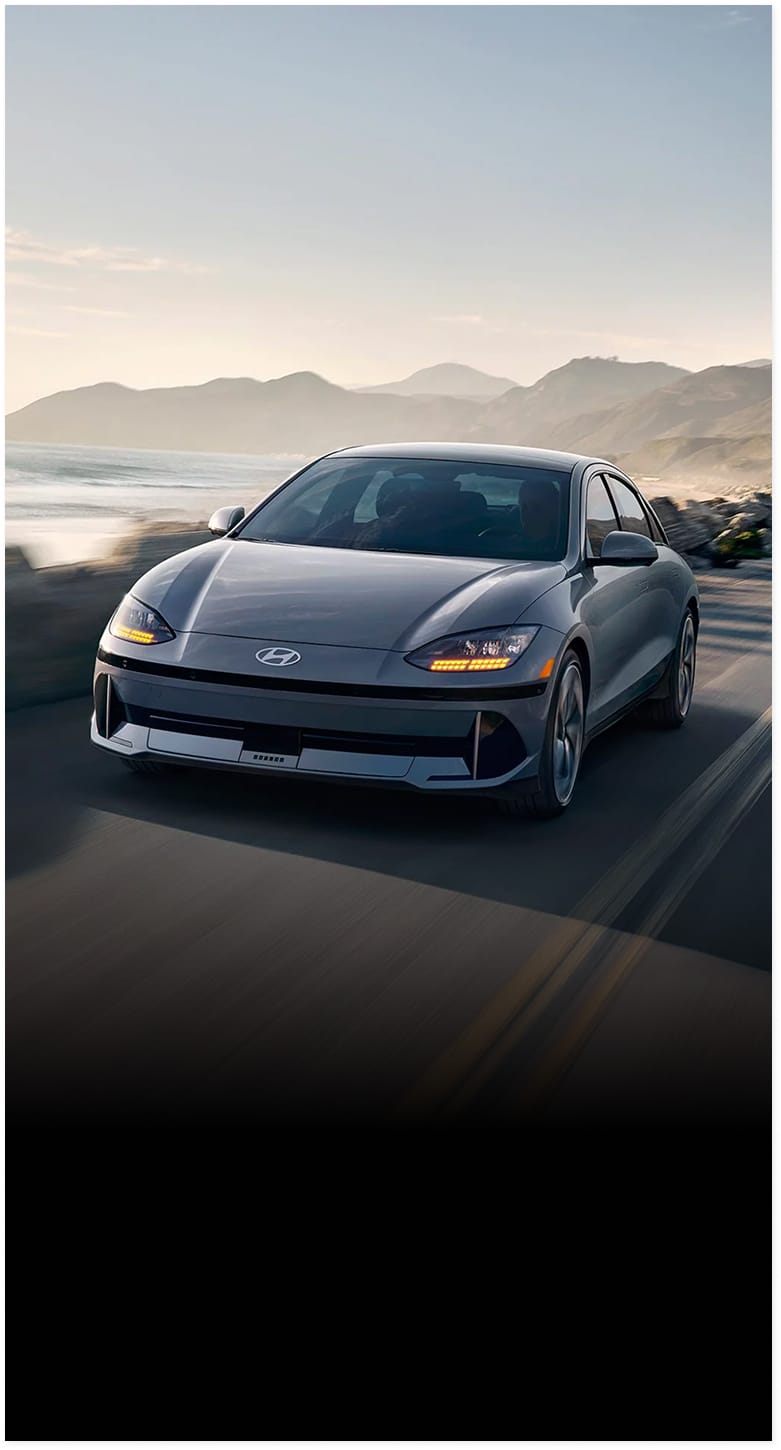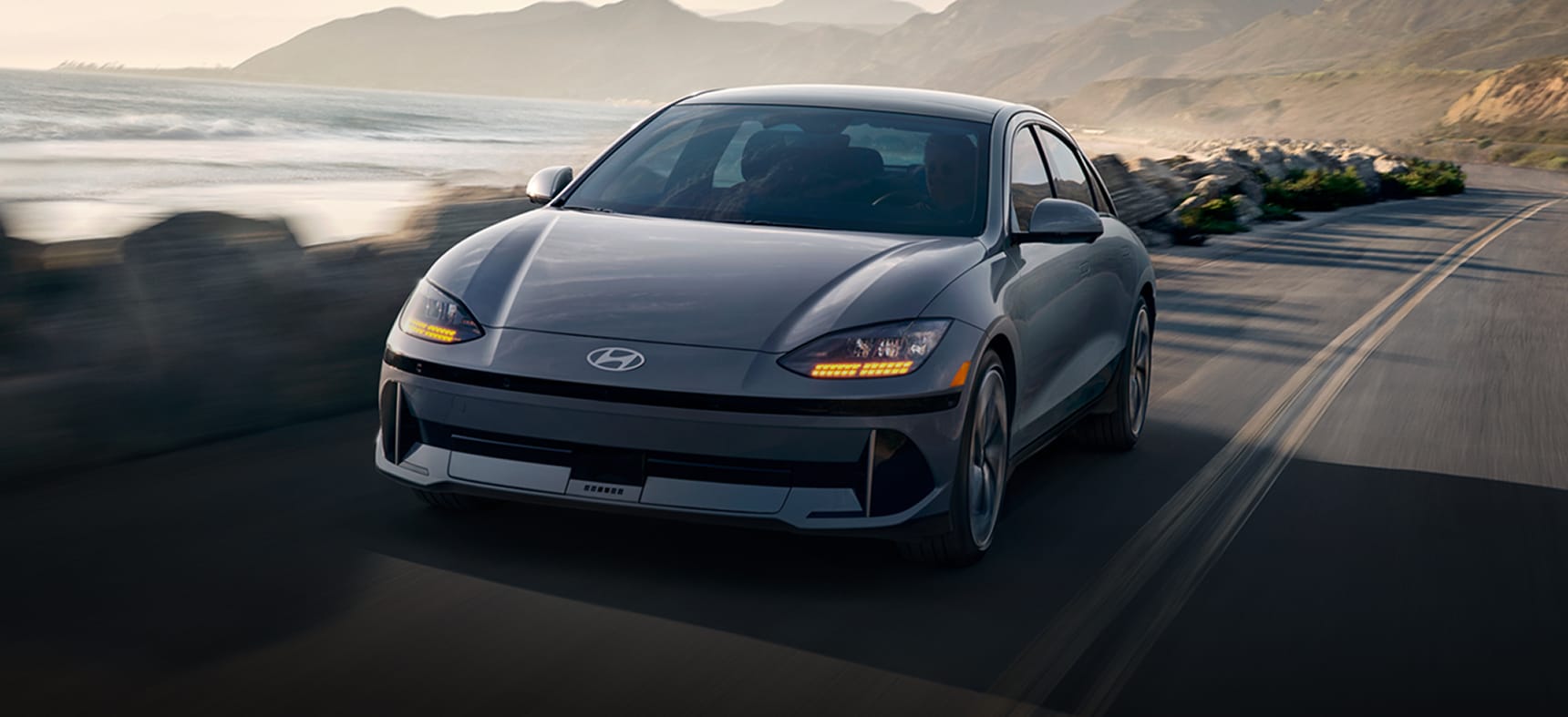
Myth: They’re slow.
Thanks to instant torque, electric vehicles give you quick yet smooth acceleration that makes them a blast to drive. In fact, the most powerful Hyundai ever built is an EV: the 641-hp IONIQ 5 N (when N Grin Boost is engaged).2
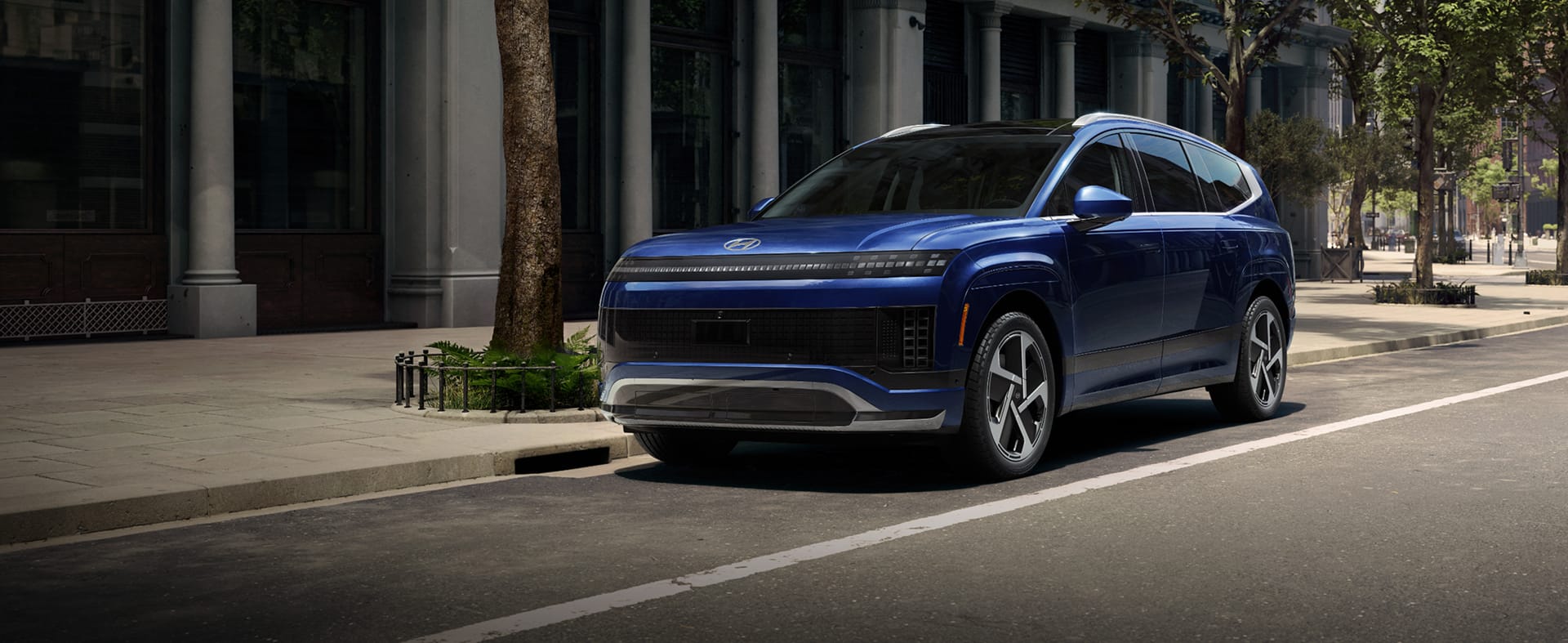
If you're thinking about making the switch to an electrified vehicle, you're not alone. More and more people are discovering the benefits of driving electric, from reducing their carbon footprint to saving money on fuel and maintenance. At Hyundai, we offer a wide variety of electrified options, with four different powertrains to choose from. And to help you make an informed decision, we've gathered all the information and resources you need right here in one convenient place.
Not sure if what you’ve heard about electric vehicles is true? Here are some common beliefs along with the actual facts.
Myths about electric
Thanks to instant torque, electric vehicles give you quick yet smooth acceleration that makes them a blast to drive. In fact, the most powerful Hyundai ever built is an EV: the 641-hp IONIQ 5 N (when N Grin Boost is engaged).2
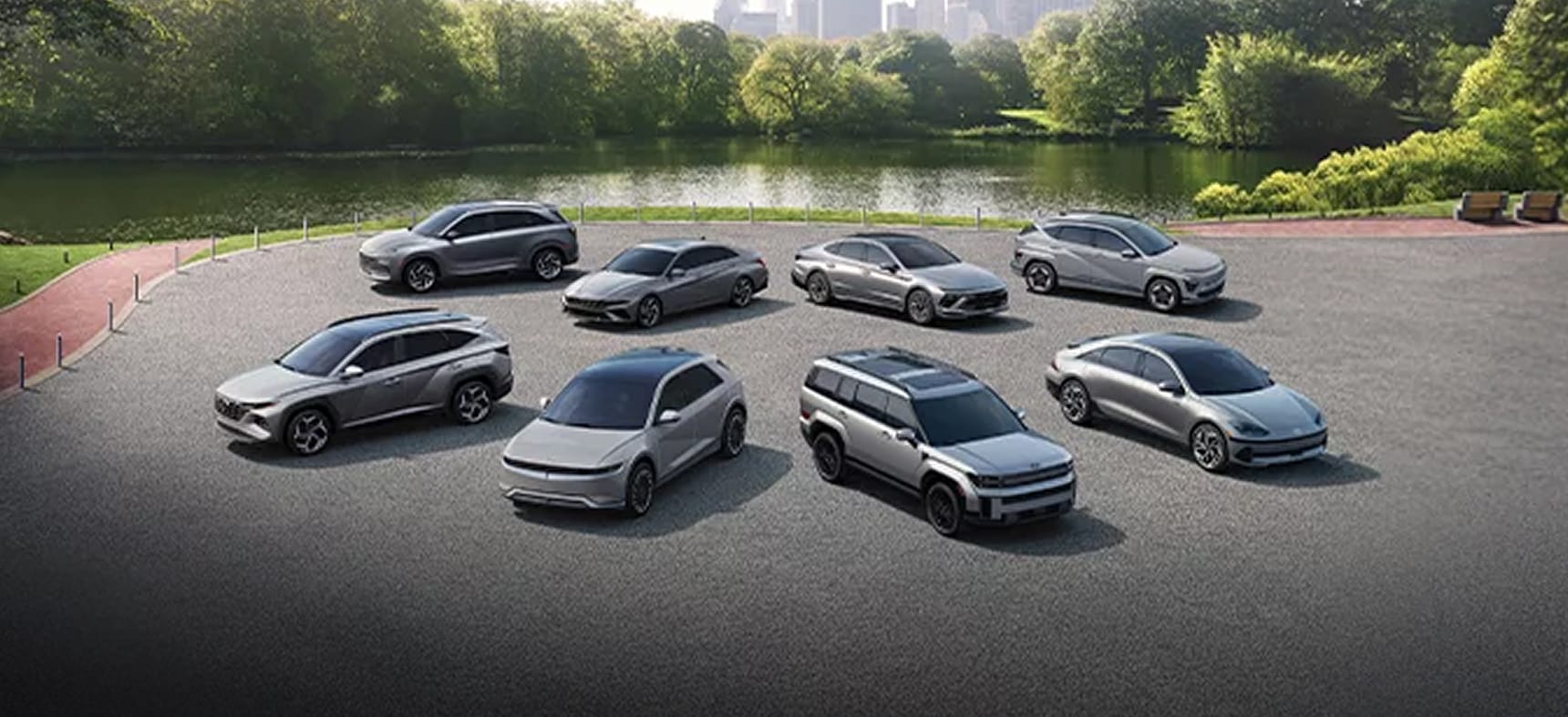
Hyundai electric models come with cutting-edge battery technology that can give you hundreds of miles on a single charge, comparable to many gas-powered vehicles.
All Hyundai EVs have advanced pre-conditioning systems, which help keep batteries at their optimal temperature in colder climates.
The vast and fast-growing network of public charging stations means you’ve got plenty of charging options nearby. Coupled with the ease of charging at home or work, it’s never been easier to keep your EV powered up.
Using motors entirely powered by batteries, electric vehicles can drive farther than you’d expect⎯up to an EPA-est. 342 miles for IONIQ 6. Regenerative braking helps extend range, but the battery is mainly recharged by plugging into an outlet. Charging speed depends on the vehicle and charger type. For instance, IONIQ 5 and IONIQ 6 can use an 800V DC charger for ultra-fast charging, making them among the fastest charging EVs.3
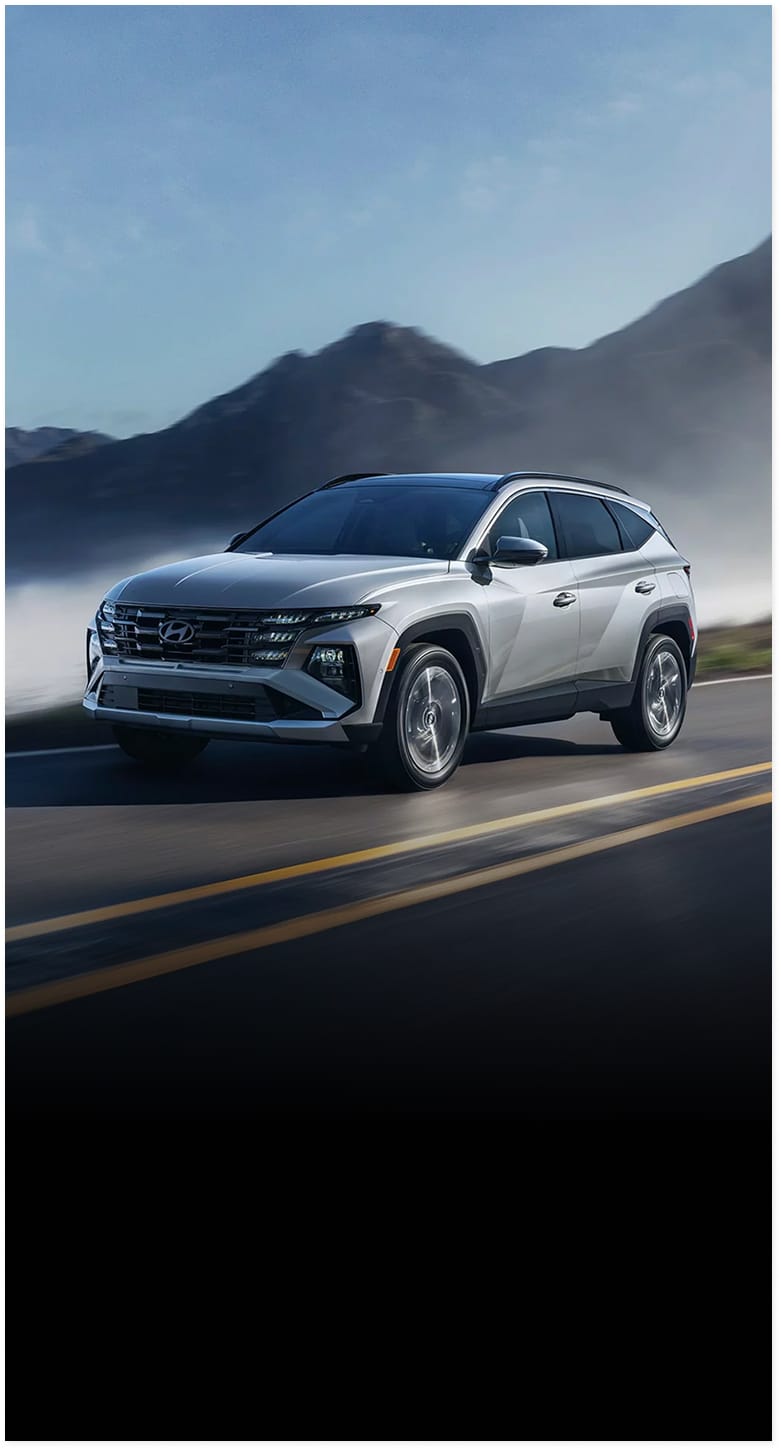
With a battery-powered motor and a gas engine, plug-in hybrids have bigger batteries than hybrids, so you actually have the option of driving in all-electric mode. You also get an impressive combined range too—as high as an EPA-estimated 419 miles with 2025 TUCSON Plug-in Hybrid. The battery can be recharged with an electrical outlet, and regenerative braking helps extend driving range.4
Hybrids use their gas engine and electric motor separately or together, depending on the speed. The motor’s battery is recharged by only the regenerative brakes, so there’s no need for you to plug in to an outlet. For these reasons, hybrids tend to have better fuel efficiency than their gas-only counterparts. The 2026 PALISADE Hybrid, not only offers best-in class interior space, but also an EPA-estimated range of up to 619 miles.5
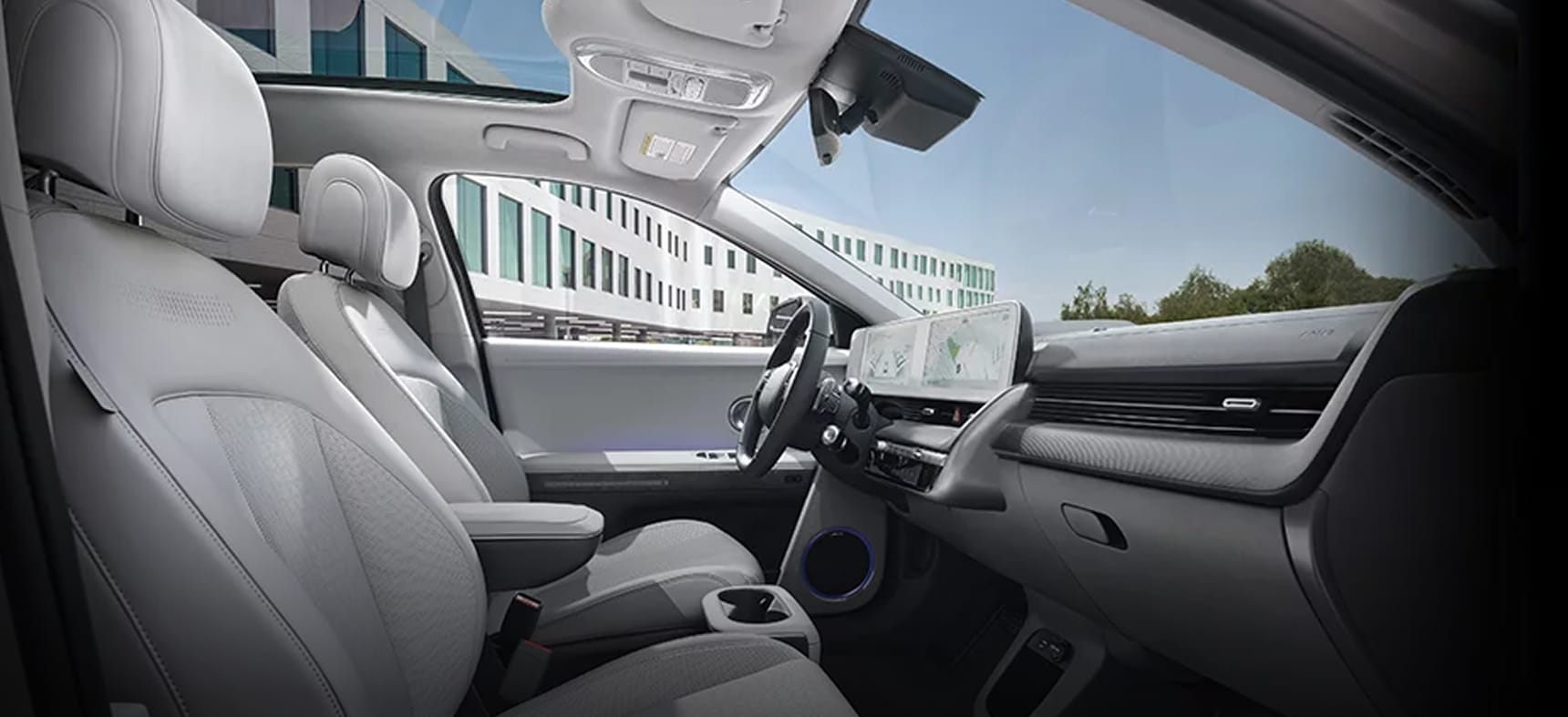
Which electrified Hyundai is right for you?
Our month-to-month subscription program, Evolve+ is a perfect fit for those who want to try out our electric vehicles without being tied down to a purchase or a long-term lease. Currently available at select dealers in AL, AR, CA, HI, MD, MA, NJ, VA, and WA. Vehicle availability is extremely limited.6
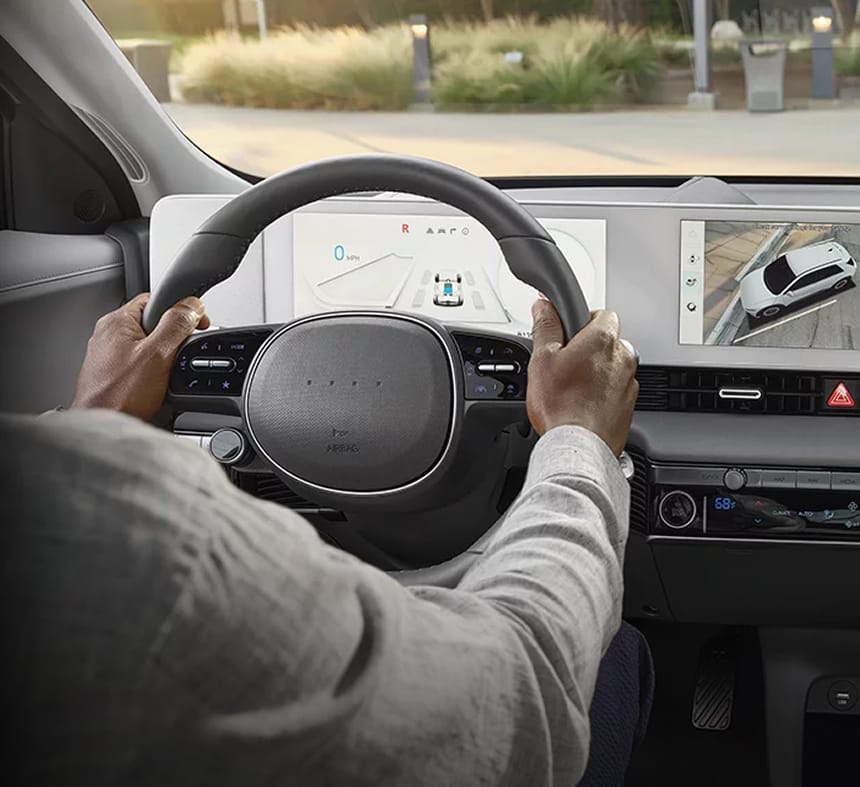
Going electric isn't just about more innovation, it’s also about less maintenance. Simply put, electric powertrains are simpler than their gas counterparts. There’s no exhaust system or transmission. Zero oil changes. And while an internal-combustion engine typically has over 2,000 parts, an electric motor has 20 or less. Fewer moving parts means fewer potential issues, possibly saving you both time and money.
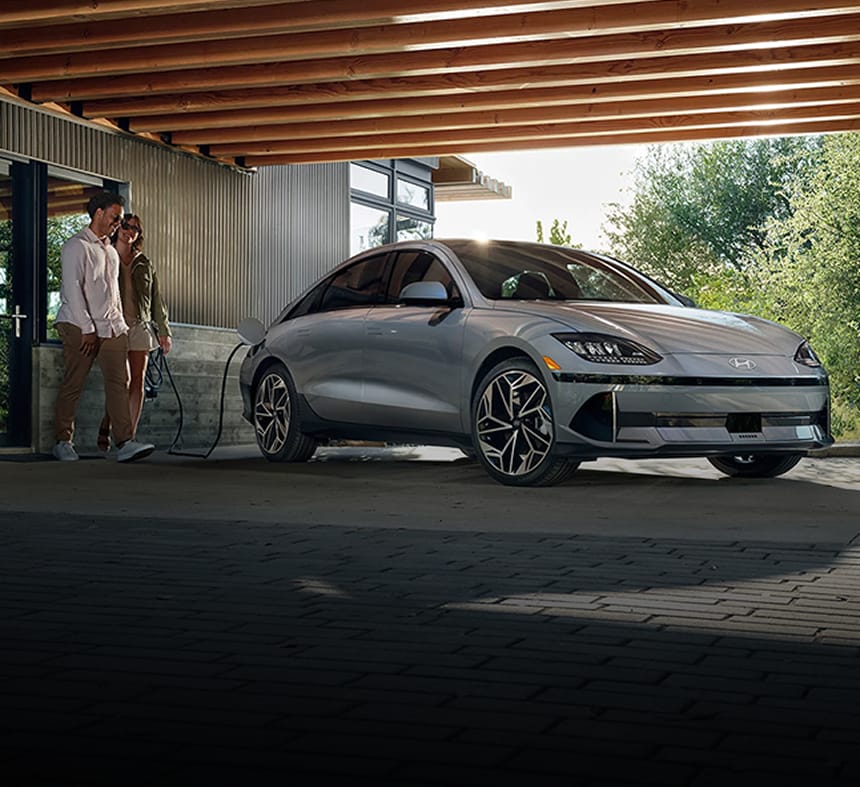
Make your house as electrified as your electric vehicle. With Hyundai Home, you’ll have the power to take charge of your electricity with solar panels, energy storage systems and a 240-volt (Level 2) charger.7
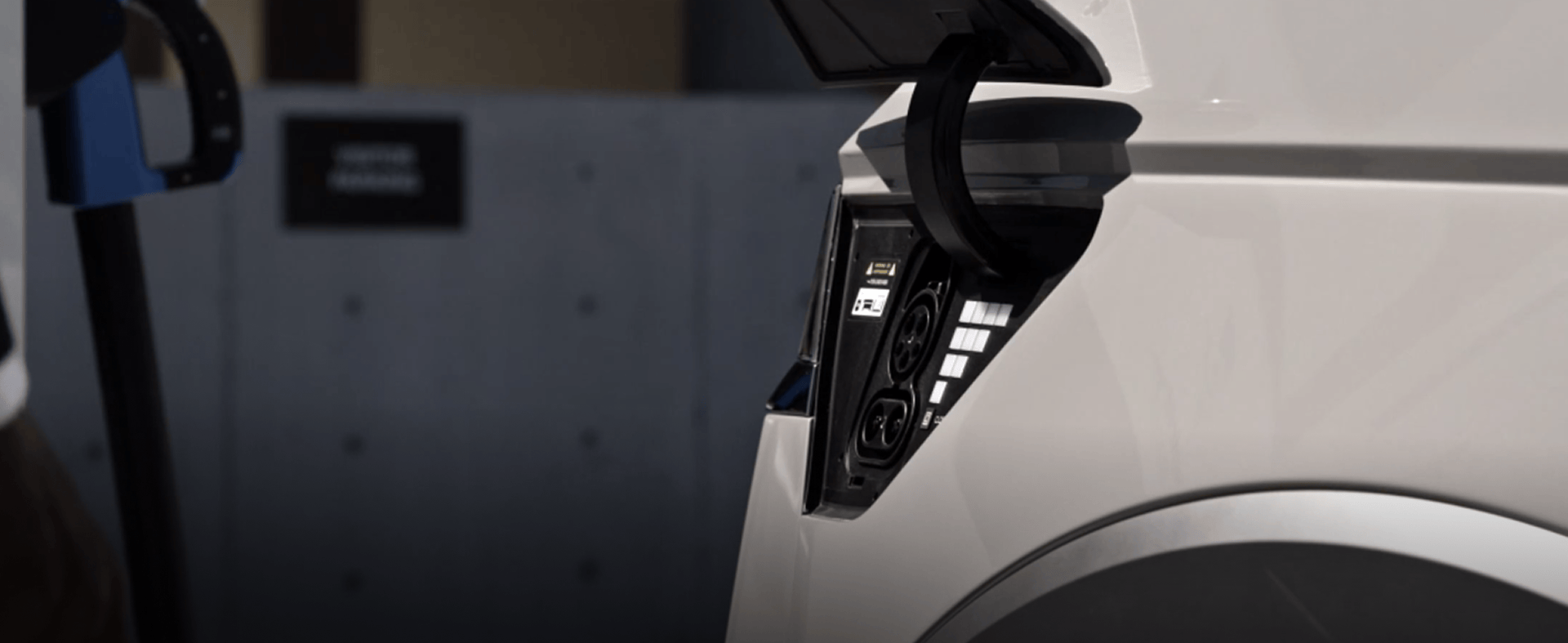
EV Savings calculator
Use our savings calculator to get an estimate based on where you live, how much you drive and other factors.
FAQ
The actual charging time varies based on a number of factors, including the vehicle model and trim, current battery charge level, output of the charging unit, vehicle and battery settings, and outside temperature. Level 1 is the easiest home charging option—you simply plug into a standard 120V AC outlet with the portable charging cable that comes with select Hyundai models. But it takes significantly longer than other charging options. Level 2 charging can fully charge your vehicle in as little as 4 hours 55 minutes (2025 KONA Electric SE Standard Range) depending on the model and various conditions. For Level 3 charging, DC fast chargers can take your vehicle from 10% to 80% in as little as 18-73 minutes, depending on model. Even better, a 350-kW, 800V DC ultra-fast charger can power up 2025 IONIQ 6 from 10 to 80% in just 18 minutes.8,9,10
The cost to charge an electric vehicle (EV) depends on several factors, including local electricity rates, the type of charger used, where you charge (home vs. public charging station), and the vehicle itself. To help you calculate your possible fuel savings by switching to an electric vehicle, please use our estimated savings calculator.
During braking or coasting, regenerative braking turns the wheels’ rotations into electricity, which is then stored in the battery. IONIQ 5, IONIQ 5 N, IONIQ 6, KONA Electric and NEXO Fuel Cell have control paddles behind the steering wheel, which let you choose from different levels of regenerative braking.
Unlike gas-powered vehicles, EVs have no transmission. So, this means no oil changes.
With zero tailpipe emissions, lower greenhouse gas emissions, and higher energy efficiency than internal combustion engine (ICE) vehicles, electric vehicles (EVs) are an important step in reducing our environmental footprint.
Disclaimers
1 Based on major industry awards and accolades issued in 2023 and 2024 (as of August 2024) to fully electric vehicles available for sale in the U.S.
2 Up to 601 hp (448 kW) standard. When N Grin Boost is engaged, IONIQ 5 N provides 10 seconds of boosted acceleration up to 641 hp (478 kW). Actual horsepower will vary with options, driving conditions, driving habits and vehicle’s condition.
3 EPA-estimated 342-mile driving range for 2025 IONIQ 6 SE RWD; EPA-estimated 316-mile driving range for IONIQ 6 SE AWD; EPA-estimated 240-mile driving range for IONIQ 6 SE Standard Range RWD; EPA-estimated 291-mile driving range for IONIQ 6 SEL RWD and IONIQ 6 Limited RWD; and EPA-estimated 270-mile driving range for IONIQ 6 SEL AWD and IONIQ 6 Limited AWD. All figures are EPA estimates and based on a fully charged battery. For comparison purposes only. Battery capacity decreases with time and use. Actual range will vary based on a number of factors, including vehicle options, driving conditions and habits, vehicle and battery's condition, battery temperature and outside temperature.
Actual charging time varies based on a number of factors, including current battery charge level, output of the charging unit, vehicle and battery settings, battery temperature and outside temperature. Ultra-fast charging stations are provided by independent companies and availability is not guaranteed.
4 2025 TUCSON Plug-in Hybrid. 32-mile All-Electric Range based on a fully charged battery pack and 77 combined MPGe. MPGe is the EPA-equivalent measure of gasoline fuel efficiency for electric-mode operation. 35 Combined MPG (gas). All figures are EPA estimates and for comparison purposes only. Actual range and mileage will vary with options, driving conditions and habits, vehicle and battery's condition, battery temperature, outside temperature and other factors.
5 AEM PATH: /content/dam/hyundai/us/com/content-fragments/global/range---my26-palisade-hybrid
6 Evolve+ is currently available at a limited number of participating dealers in AL, AR, CA, HI, MD, MA, NJ, VA, and WA. Vehicle availability is extremely limited. The 28-day monthly term includes an allowance of 1,000 miles. Any usage exceeding this mileage limit will result in automatic charges at a rate of $20.00 per increment of 100 miles until the total mileage reaches 1,500 miles. Beyond this point, any additional miles above 1,500 will be subject to a charge of $1.00 per mile. Additional terms and limitations apply. See participating dealer or download the Evolve+ app for program details and vehicle inventory information.
7 Solar panels, energy storage systems and the home EV charger are provided, manufactured, and offered by third parties on the Hyundai Home Marketplace. Currently, the home EV charger, solar panels and energy storage systems are available in all states except AK. Installation services are provided by Hyundai's third-party installer network.
8 2025 KONA Electric takes approximately 4 hours 55 minutes (SE trim with a 48.6kWh battery) or 6 hours 5 minutes (SEL, N Line and Limited trims with a 64.8kWh battery) to charge from 10% to 100% on a 11kW, Level 2, 240V AC charger. Actual charging time varies based on a number of factors, including current battery charge level, output of the charging unit, vehicle and battery settings, battery temperature and outside temperature.
9 Approximately 24-73 minutes to charge from 10% to 80% on a Level 3, 400V DC fast charger depending on the model. Actual charging time varies based on a number of factors, including current battery charge level, output of the charging unit, vehicle and battery settings, battery temperature and outside temperature.
10 2025 IONIQ 6 takes approximately 18 minutes to charge from 10% to 80% on a 350-kW, 800V DC ultra-fast charger. Actual charging time varies based on a number of factors, including current battery charge level, output of the charging unit, vehicle and battery settings, battery temperature and outside temperature. Ultra-fast charging stations are provided by independent companies and availability is not guaranteed.
With electrified vehicles you no longer have to rely on gas as the only source of power. In fact, electric and fuel cell models don’t use fossil fuel at all. Which is why two of the most important questions many shoppers ask is, “How do I keep my electrified vehicle charged?” and “How does it fit into my life?” We’re here to answer these questions and more.
As with gas vehicles, EVs are also affected by extreme temperatures. Both cold and very hot weather impact the battery’s performance, reducing range. Low temperatures also cause the tire pressure to drop, which means more rolling resistance.
Running the A/C, heater, or using the heated seats can drain the battery. To conserve energy, pre-heat or pre-cool your EV while plugged in, which can be done remotely with the Hyundai Bluelink app.
Aggressive driving such as quick acceleration and hard braking uses up more battery power. To maximize your range, try gradually increasing your speed and anticipating stops to slow down smoothly.
If you want to maximize range, moderate speeds are key. Higher speeds mean more wind resistance, which requires more power to compensate. This causes the motor(s) to heat up and become less efficient. Plus, the battery doesn't get as much charge back from regenerative braking.
If your route goes through a hilly or mountainous area, your current range will drop faster than normal since driving uphill consumes more energy than traveling on level ground.
An electric vehicle’s driving range is also impacted in a number of other ways, including the weight it's carrying, the tire pressure, and battery condition.
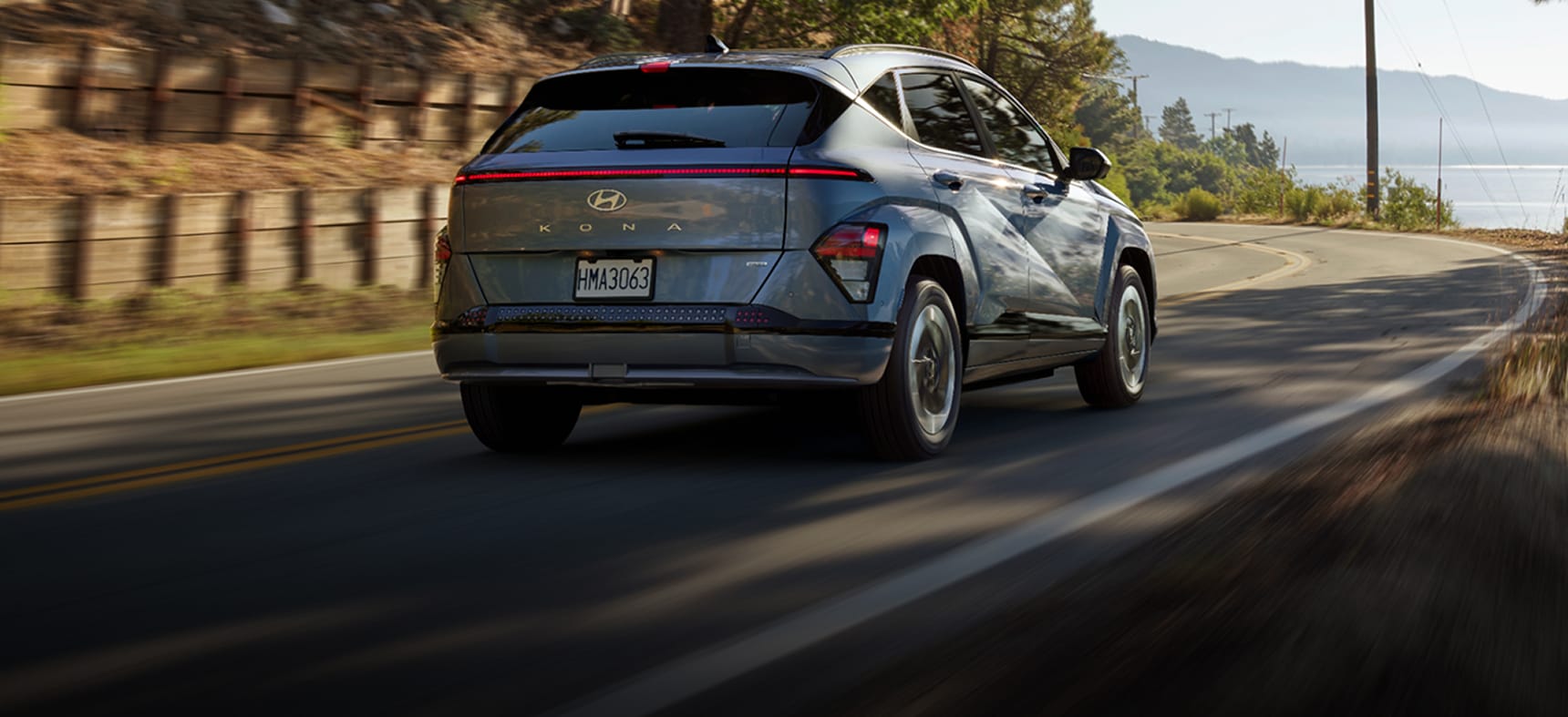
When it comes to charging, regenerative braking can help extend the range of all our electrified vehicles. When you coast or brake, the brakes turn the wheels’ rotations into electricity, which is stored in the battery. IONIQ 5, IONIQ 6, KONA Electric, NEXO Fuel Cell, TUCSON Hybrid, and TUCSON Plug-in Hybrid have control paddles behind the steering wheel, which let you choose from different levels of regenerative braking.
Regenerative braking
Set to higher levels of regenerative braking, you get more energy capture when decelerating. On IONIQ 5, IONIQ 6, and KONA Electric you can use the i-Pedal function which activates the brakes when you take your foot off the accelerator, slowing to a complete stop.
When you set to the lower levels of regenerative braking, you capture less energy but get longer, smoother coasting when you take your foot off the accelerator pedal.
Activate the Smart Regeneration System, and it automatically adjusts the regenerative braking level according to the speed and distance of the vehicle in front of you.
MPGe
Making the switch from a gas to an electrified vehicle is a big decision. One great reason to go electric is lower overall energy costs. To make it easier to compare electric with gas models, the EPA created MPGe which stands for “miles per gallon of gasoline-equivalent.”
Simply put, MPGe is the distance an EV can travel on 33.7 kWh of electricity, which is the energy equivalent of one gallon of gas.1
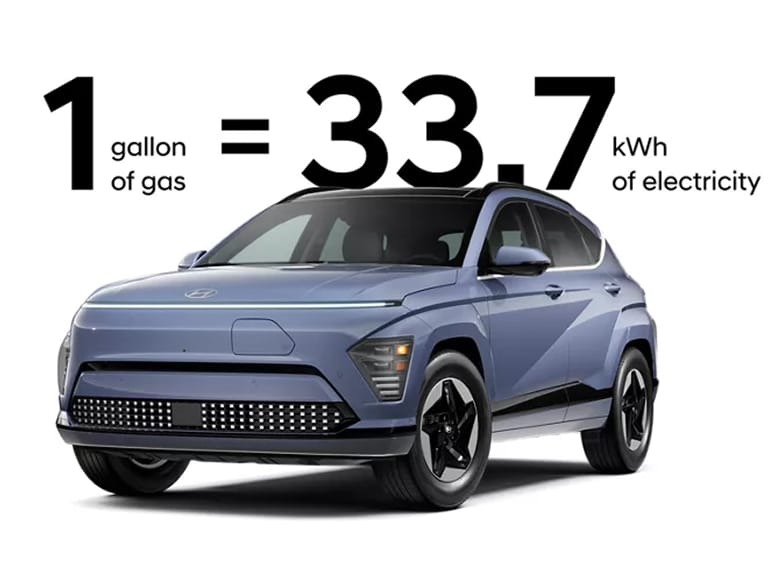
2025 KONA Electric SE: 118 MPGe (EPA-est.)2
2025 KONA SE (gas): Up to 31 MPG (combined)3
2025 KONA Electric SE: $4.00 (at $0.14 per kWh)4
2025 KONA SE (gas): $10.01 (at $3.10 per gallon)5
You can also use MPGe to compare different types of electrified vehicles. For instance, 2025 IONIQ 5 SE Standard Range RWD has 114 Combined MPGe while 2025 TUCSON Plug-in Hybrid has 77 Combined MPGe.
If you’re considering an EV or a plug-in hybrid, it’s important to understand the different types of chargers out there and how long each takes to power up your vehicle.
The easiest home charging option—you simply plug into a standard 120V AC outlet with the portable charging cable that comes with your Hyundai. However, Level 1 charging takes significantly longer than other charging options.6
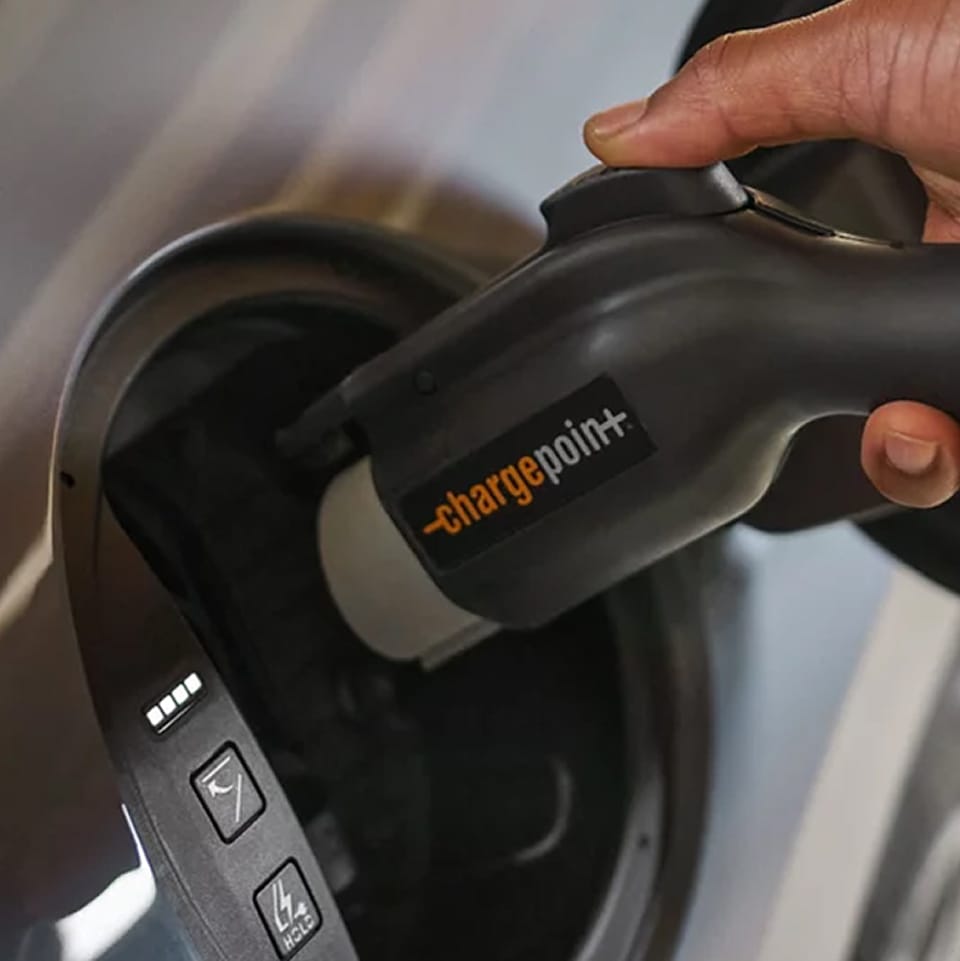
The faster way to charge at home. Level 2 charging requires specialized equipment that plugs into a 240V AC outlet, like Hyundai Home’s ChargePoint® Home Flex EV charger. Fully charging your vehicle can take as little as 7 hours depending on the model and various conditions.6
Found at public locations like charging stations and shopping centers—check charging capabilities in your area using our map link below. Using over 480 volts, DC fast chargers can take your vehicle from 10% to 80% in as little as 25-64 minutes, depending on model. Even better, a 350-kW, 800V DC ultra-fast charger can power up a 2025 IONIQ 6 from 10 to 80% in just 18 minutes. And you get about 68 miles of range after 5 minutes of charging.7
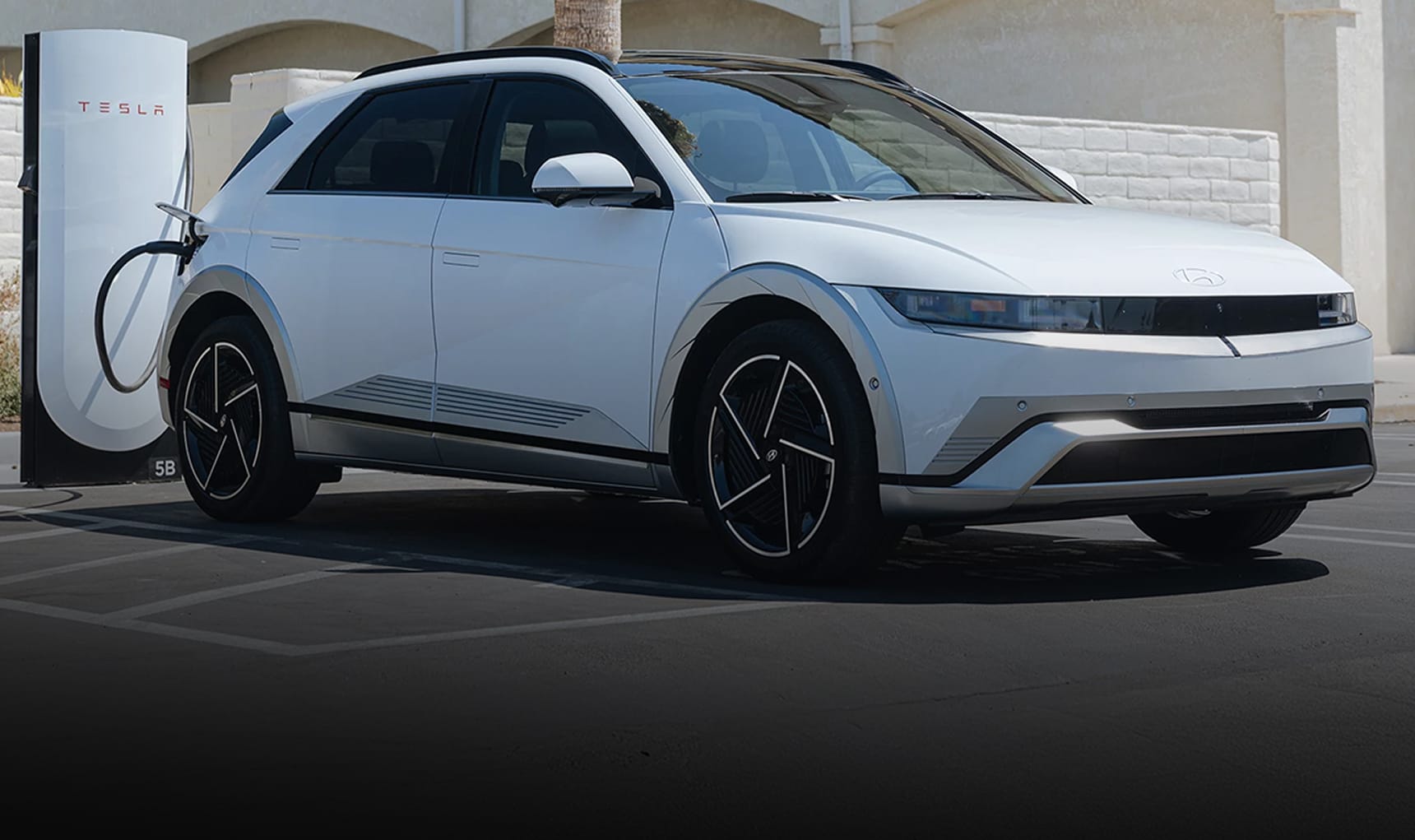
With DC fast-charging available across the country through the ChargePoint and IONNA networks, you can feel confident there’s always power ahead.
Charging convenience
Charging your Hyundai on the road just got a whole lot easier. You get access to a bigger network, including Tesla Superchargers, an all-in-one Bluelink app that manages everything, and effortless Plug & Charge that makes payment a breeze.
Charging flexibility comes standard on your Hyundai. Not only are we providing Tesla Supercharger-compatible NACS adapters for our current EV owners, but starting with the 2025 IONIQ 5 and 2026 IONIQ 9, future electric models will come equipped with NACS ports standard. Which means you can now access a bigger network of 61,000 DC fast chargers across the country.
Our Bluelink charging app conveniently puts everything in one place. Now you can find charging stations, start charging sessions, and process payments through your smartphone.
Imagine public charging without the extra hassle of apps or cards. Simply plug in and charging starts right away. Plug & Charge takes care of authentication and payment automatically.
Hyundai and IONNA are rolling out a nationwide EV charging network designed for speed and simplicity. Plug and Charge technology and renewable power make it easy to stay on the move while driving toward a cleaner future.
Hyundai navigation systems can locate charging stations along specific routes and refresh as you go. You can also view information about each station. The EV Route Planner also tells you how many charging stops you’ll need to make, as well as expected no-charging zones. So, you’re confident and prepared on every trip.

Fuel cell vehicles use an electric motor powered by hydrogen, allowing for fast, gas-like refueling in about five minutes.8
Battery health
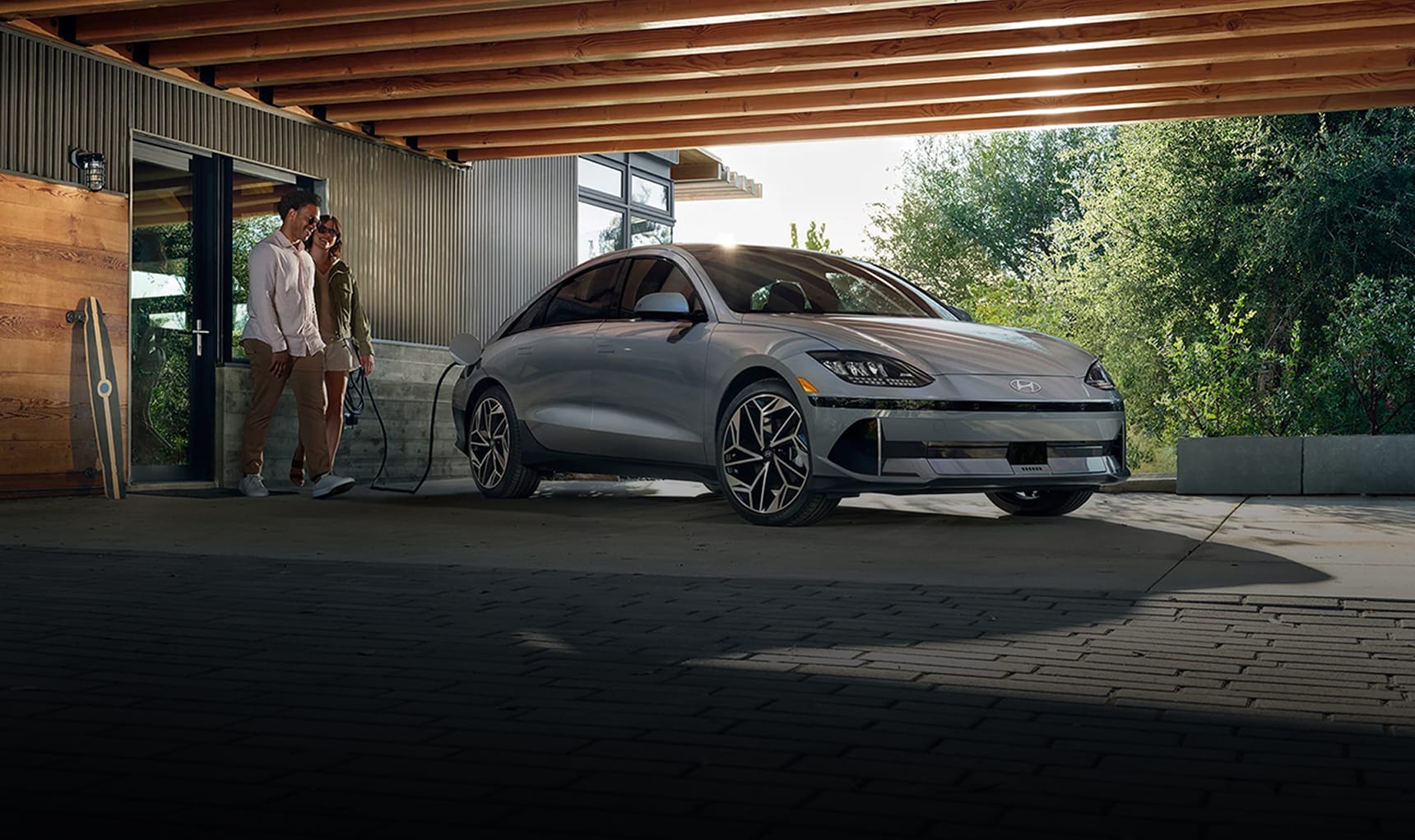
Rest assured, when it comes to your Hyundai EV’s lithium ion battery, you can always count on our 10-year/100,000-mile Limited Battery Warranty. For even more peace of mind, here’s how your battery stays healthy.9
During very hot weather, shaded spots or staying plugged in when parked help your vehicle’s thermal management system run more efficiently.
A 100% charge is there when you need it, but the optimal range for better battery life is between 25% and 75%.
While DC fast chargers are great for road trips and saving time, for everyday charging, standard chargers are much better for your battery’s long-term health.
Going on vacation? A timed charger helps keep your battery at an ideal charge level between 25-75% while you’re away.
Make your house as electrified as your electric vehicle. With Hyundai Home, you’ll have the power to take charge of your electricity with solar panels, energy storage systems and a 240-volt (Level 2) charger.10

FAQ
The actual charging time varies based on a number of factors, including the vehicle model and trim, current battery charge level, output of the charging unit, vehicle and battery settings, and outside temperature. Level 1 is the easiest home charging option—you simply plug into a standard 120V AC outlet with the portable charging cable that comes with select Hyundai models. But it takes significantly longer than other charging options. Level 2 charging can fully charge your vehicle in as little as 4 hours 55 minutes (2025 KONA Electric SE Standard Range) depending on the model and various conditions. For Level 3 charging, DC fast chargers can take your vehicle from 10% to 80% in as little as 18-73 minutes, depending on model. Even better, a 350-kW, 800V DC ultra-fast charger can power up 2025 IONIQ 6 from 10 to 80% in just 18 minutes.11,12,13
The cost to charge an electric vehicle (EV) depends on several factors, including local electricity rates, the type of charger used, where you charge (home vs. public charging station), and the vehicle itself. To help you calculate your possible fuel savings by switching to an electric vehicle, please use our estimated savings calculator.
Not all electric vehicles use the same charger. Different charging connectors and standards are used by manufacturers and regions. To accommodate a variety of vehicles, public charging stations usually offer multiple connector types. For Level 1 charging via a standard 120V AC outlet, your Hyundai includes a Level 1 charging cable. However, a Level 2 charging cable is not included.
Starting with the 2025 IONIQ 5, Hyundai electric models will come equipped with NACS ports standard, enabling you to use Tesla Superchargers. Each 2025 IONIQ 5 will also come with a CCS adapter, so you can still charge at non-Tesla DC fast charging stations.14
According to the U.S. Department of Energy, there are over 65,000 electric vehicle (EV) charging stations across the United States. Hyundai is joining seven other global automakers to build an unprecedented charging network. With BMW Group, General Motors, Honda, Kia, Mercedes-Benz Group, Stellantis NV, and Toyota—we’re installing at least 30,000 high-powered DC chargers across North America. Most importantly, our network will be open to anyone who drives electric. Learn more here.
Disclaimers
1 Total estimated monthly savings are based on a price of $3.10 per gallon as of October 2024 (https://www.eia.gov/petroleum/gasdiesel/) and cost of electricity per kilowatt hour at 14 cents as of August 2024 (https://www.eia.gov/electricity/monthly/epm_table_grapher.php?t=epmt_5_6_a); this pricing is for reference only. Actual values of savings will vary. Always check the local rates for electricity and the price of gasoline will vary to calculate your savings. For more information visit the U.S. Department of Energy: https://www.eia.gov/petroleum/gasdiesel/
2 2025 KONA Electric SE 131 City/105 Hwy/118 Combined MPGe. 2025 KONA Electric N Line 113 City/93 Hwy/103 Combined MPGe. 2025 KONA Electric SEL & Limited 129 City/103 Hwy/116 Combined MPGe. All figures are EPA estimates and for comparison purposes only. Actual mileage may vary with options, driving conditions, driving habits and vehicle's condition.
3 2025 TUCSON Plug-in Hybrid. 32-mile All-Electric Range based on a fully charged battery pack and 77 combined MPGe. MPGe is the EPA-equivalent measure of gasoline fuel efficiency for electric-mode operation. 35 Combined MPG (gas). All figures are EPA estimates and for comparison purposes only. Actual range and mileage will vary with options, driving conditions and habits, vehicle and battery's condition, battery temperature, outside temperature and other factors.
4 2025 KONA SE – FWD: 29 City/34 Hwy/31 Combined MPG; HTRAC AWD: 27 City/29 Hwy/28 Combined. SEL/SEL Convenience – FWD: 28 City/35 Hwy/31 Combined MPG; HTRAC AWD 26 City/29 Hwy/27 Combined. N Line S/N Line/Limited – FWD: 26 City/32 Hwy/28 Combined MPG; HTRAC AWD: 24 City/29 Hwy/26 Combined MPG. All figures are EPA estimates and for comparison purposes only. Actual mileage may vary with options, driving conditions, driving habits and vehicle's condition.
5 2025 IONIQ 5 SE/SEL/Limited RWD: 129 City/100 Hwy/114 Combined MPGe and 318-mile driving range. SE/SEL AWD: 116 City/96 Hwy/106 Combined MPGe and 290-mile driving range. Limited AWD: 108 City/88 Hwy/98 Combined MPGe and 269-mile driving range. XRT AWD: 103 City/85 Hwy/94 Combined MPGe and 259-mile driving range. SE/SEL RWD (Standard Range): 131 City/100 Hwy/115 Combined MPGe and 245-mile driving range. MPGe is the EPA-equivalent measure of gasoline fuel efficiency for electric mode operation. All figures are EPA estimates and for comparison purposes only. Actual range and mileage will vary with options, driving conditions and habits, vehicle and battery's condition and other factors.
6 Actual charging time varies based on a number of factors, including the vehicle model and trim, current battery charge level, output of the charging unit, vehicle and battery settings, and outside temperature.
7 Approximately 18 minutes to charge from 10% to 80% on a 350-kW, 800V DC ultra-fast charger. Actual charging time varies based on a number of factors, including current battery charge level, output of the charging unit, vehicle and battery settings, battery temperature and outside temperature. Ultra-fast charging stations are provided by independent companies and availability is not guaranteed.
8 /content/dam/hyundai/us/com/content-fragments/global/my23-nexo-available-hydrogen-stations-and-refueling-time---ev-hub
9 The Hybrid/Electric Limited Battery Warranty covers defects in the factory workmanship or materials of the vehicle's lithium battery for 10 years from the date of original retail delivery or date of first use, or 100,000 miles, whichever occurs first. Coverage does not apply to lease and commercial vehicles or vehicles serviced or registered outside the U.S. See your Hyundai dealer and your Owner’s Handbook for complete warranty details and limitations.
10 Solar panels, energy storage systems and the home EV charger are provided, manufactured, and offered by third parties on the Hyundai Home Marketplace. Currently, the home EV charger, solar panels and energy storage systems are available in all states except AK. Installation services are provided by Hyundai's third-party installer network.
11 2025 KONA Electric takes approximately 4 hours 55 minutes (SE trim with a 48.6kWh battery) or 6 hours 5 minutes (SEL, N Line and Limited trims with a 64.8kWh battery) to charge from 10% to 100% on a 11kW, Level 2, 240V AC charger. Actual charging time varies based on a number of factors, including current battery charge level, output of the charging unit, vehicle and battery settings, battery temperature and outside temperature.
12 Approximately 24-73 minutes to charge from 10% to 80% on a Level 3, 400V DC fast charger depending on the model. Actual charging time varies based on a number of factors, including current battery charge level, output of the charging unit, vehicle and battery settings, battery temperature and outside temperature.
13 2025 IONIQ 6 takes approximately 18 minutes to charge from 10% to 80% on a 350-kW, 800V DC ultra-fast charger. Actual charging time varies based on a number of factors, including current battery charge level, output of the charging unit, vehicle and battery settings, battery temperature and outside temperature. Ultra-fast charging stations are provided by independent companies and availability is not guaranteed.
14 /content/dam/hyundai/us/com/content-fragments/global/charging-disclosure-nacs-v3-v4-dc-level-3-charging---my25-ioniq-5
Constant innovation is what we strive for. The latest proof is our first high-performance EV, IONIQ 5 N, which is built on our dedicated E-GMP battery electric vehicle platform that allows for a rejuvenated design freedom for EVs - now and into the future.
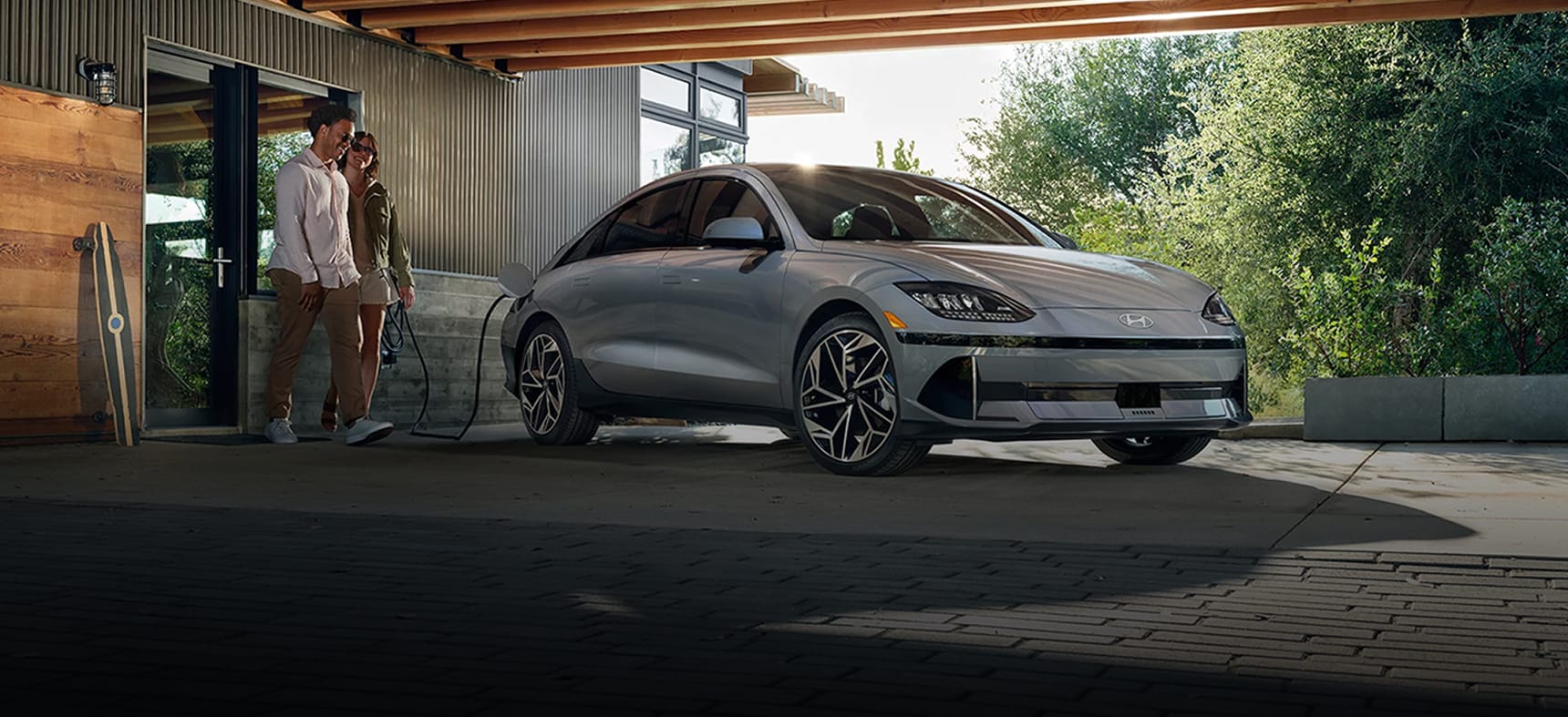
Make your house as electrified as your electric vehicle. With Hyundai Home, you’ll have the power to take charge of your electricity with solar panels, energy storage systems and a 240-volt (Level 2) charger.1
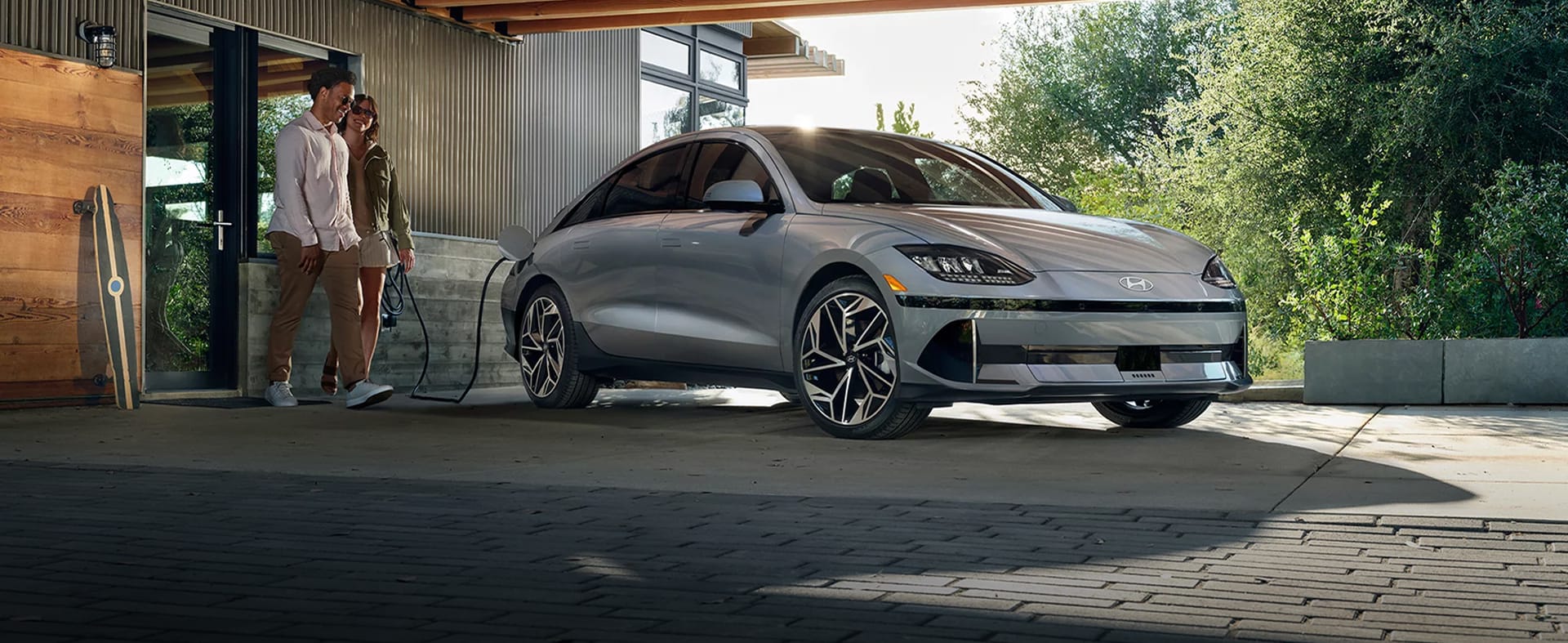
Being able to charge at home is one of the top conveniences of driving electric. With the 240-volt (Level 2) charger, you can charge up to 3 to 7 times faster than with a conventional 110-volt outlet.2
The answer to saving money on your electric bill is literally over your head. Solar panels are an efficient way to generate your own electricity and to help reduce your carbon footprint. You can even save excess solar energy in an Energy Storage System for future use, now available in select markets.3
Here’s a smart way to make the most of your solar panels’ extra energy. The Energy Storage System, now available in select markets, stores your panels’ excess electricity for future use—like helping to power your home at night, during peak usage hours, and during blackouts.4
We want you to be confident in what we make—especially our high-capacity lithium ion battery system. Which is why it’s covered for 10 years/100,000 miles.5
Your local Hyundai dealers are offering incredible deals on our electric, plug-in hybrid, hybrid and fuel cell models.
Disclaimers
1 Solar panels, energy storage systems and the home EV charger are provided, manufactured, and offered by third parties on the Hyundai Home Marketplace. Currently, the home EV charger, solar panels and energy storage systems are available in all states except AK. Installation services are provided by Hyundai's third-party installer network.
2 Charger and installation are provided by Hyundai's third-party partner(s). Charging rate and time estimates may vary based on a number of factors, including current battery charge level, output of the charging unit, vehicle and battery settings, and outside temperature.
3 Solar panels, energy storage systems and the home EV charger are provided, manufactured, and offered by third parties on the Hyundai Home Marketplace. Currently, the home EV charger, solar panels and energy storage systems are available in all states except AK. Installation services are provided by Hyundai's third-party installer network.
4 Solar panels, energy storage systems and the home EV charger are provided, manufactured, and offered by third parties on the Hyundai Home Marketplace. Currently, the home EV charger, solar panels and energy storage systems are available in all states except AK. Installation services are provided by Hyundai's third-party installer network.
5 The Hybrid/Electric Limited Battery Warranty covers defects in the factory workmanship or materials of the vehicle's lithium ion battery for 10 years from the date of original retail delivery or date of first use, or 100,000 miles, whichever occurs first. Coverage does not apply to lease and commercial vehicles or vehicles serviced or registered outside the U.S. See your Hyundai dealer and your Owner’s Handbook for complete warranty details and limitations.
Not only can you charge your electric Hyundai at home, you also have the power to take charge of your home's energy. Hyundai Home gives you an easy way to produce, store and use your own energy with solar panels, energy storage systems and the Level 2 ChargePoint® Home Flex EV charger.1
One of the best things about driving electric is the ability to charge at home. And with the 240-volt Level 2 ChargePoint® Home Flex EV charger—now available in select markets—you can charge up to 9 times faster than with a conventional 110-volt outlet.2
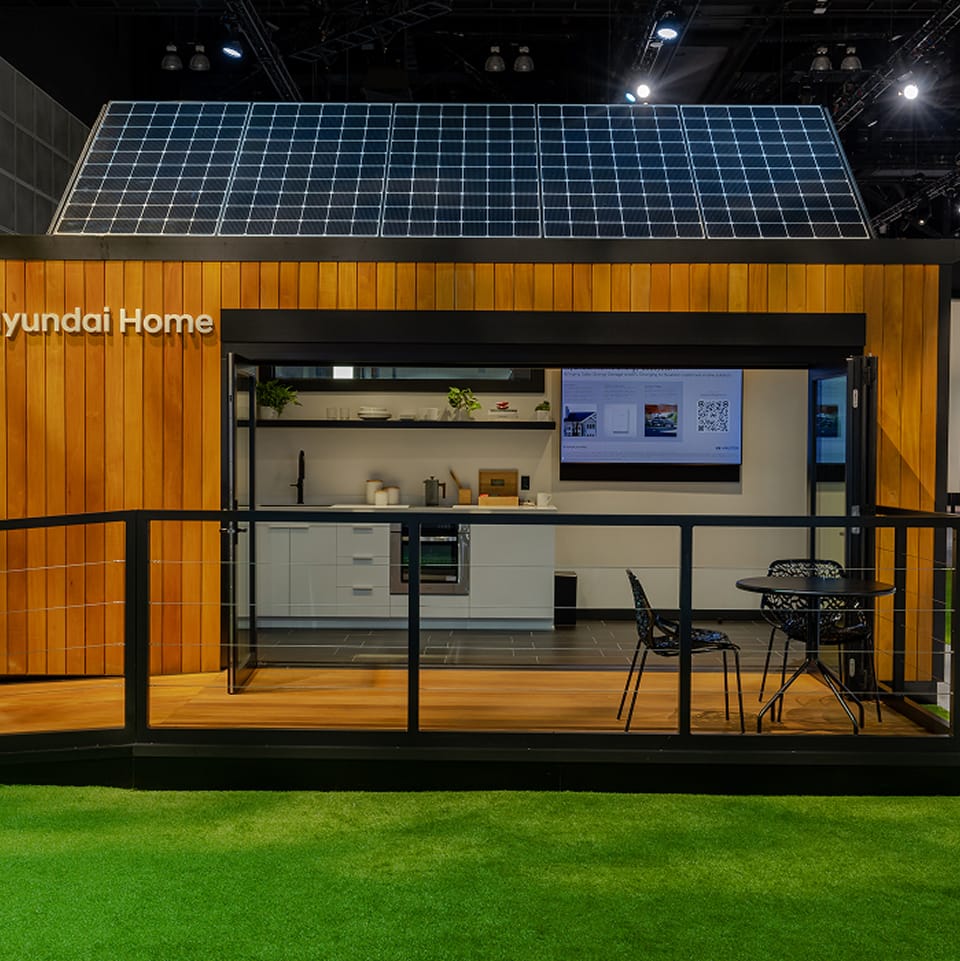
The answer to saving money on your electric bill is literally over your head. Solar panels are an efficient way to generate your own electricity and to help reduce your carbon footprint. You can even save excess solar energy by using an Energy Storage System, now available in select markets.3
Here’s a smart way to make the most of your solar panels’ extra energy. The Energy Storage System, now available in select markets, stores your panels’ excess electricity for future use—like helping to power your home at night, during peak usage hours, and during blackouts.4
FAQ
The Hyundai Home energy ecosystem is a service that enables customers to order and arrange for the installation of solar panels, home energy storage unit(s), and a home EV charger. This ecosystem complements Hyundai’s new lineup of IONIQ EVs.
The idea of solar energy is still a new and complex space. Consumers spend hours researching what products to use, and which ones are safe and compatible for their needs. Hyundai Home simplifies this process. Through a “one-stop-shop” marketplace website, Hyundai and its partner Electrum have done all the legwork, so you can easily:
Purchasing through Hyundai Home helps streamline your decision process and experience, both pre- and post-sale.
With Hyundai Home, you can expect an outstanding customer experience that combines Hyundai’s leadership in customer care with class-leading partners in energy and electrification. Launching Hyundai Home in collaboration with these industry experts is the perfect way to introduce you to a more streamlined way to access solar and EV charging solutions, because you’re free to pick and choose which components are right for you from a selection of different manufacturers.
Hyundai Home will also provide a personalized purchase process and consistent touchpoints throughout your EV journey, making your transition to solar power, home electrification, and living sustainably as seamless as possible.
Yes! The Hyundai Home energy ecosystem has the flexibility to generate as much clean, sustainable energy as you need. In fact, many customers can substantially impact their energy usage, or even offset it completely. The only real limitation is the roof space you have available for solar panels.
Once you’re up and running, every device and appliance in your home¾including your EV charger¾will utilize power from the energy grid that’s supplemented by the clean, renewable energy generated by your solar panels. And whenever you generate more solar power than you consume, the excess can be stored in energy storage units for later use.
Solar panels, energy storage systems and the ChargePoint® Home Flex EV charger are now available in select markets; please visit HyundaiHomeMarketplace.com for more information.
Partnering enables Hyundai to offer end-to-end components and services right out of the gate all through the one-stop Hyundai Home Marketplace website. By purchasing solar panels, microinverters and other energy solutions from the same marketplace, you can be assured that all of your components will work together, and will be backed by strong product and installation warranties from reputable companies.
At launch, Hyundai Home will offer the ChargePoint® Home Flex EV charger, a 240-volt, Level 2 in-home charging solution that’s highly configurable and allows you to set the charging speeds and amperage that’s right for your needs and your home’s electrical panel.
Since Hyundai does not manufacture an in-home EV charger, we chose to work with ChargePoint® to ensure that our customers have easy access to one of the most highly-rated home charging systems available.
Because every home is unique, components are priced based on your individual needs and requirements. EV wall chargers will be competitively priced, while solar power systems and energy storage units are priced by the manufacturer, with varying installation costs. The goal is to offer transparency and price consistency, which will make it easy for you to understand and choose whether you want to purchase one or more components from Hyundai Home.
You can learn more about Hyundai Home at select Hyundai dealerships and at the one-stop Hyundai Home Marketplace website.
At launch, no. However, Hyundai is still studying different financial options to offer you the best products and energy solutions.
This could be possible. However, your specific situation must be examined on an individual basis by a home energy consultant and installation professional, as there are many factors at play (age of panels, panels’ energy production, differing technology, etc.). In addition, new components may not be compatible with an existing solar panel system, so new inspections and permits will be needed to ensure everything is up to code and functioning properly.
Hyundai will not be including a wall charger in the price of an EV at this time. Please visit the Hyundai Home Marketplace website to learn about and purchase the ChargePoint® Home Flex EV charger.
Since each system is customized for your specific needs, installation costs will vary. Variables that may affect these costs can include things such as where the charger will be installed relative to the home’s electrical panel, condition of the home’s wiring, and similar considerations. Due to this variability, installation costs are separate from and in addition to component pricing.
There may be opportunities for cost savings when it comes to bundling components; however, Hyundai cannot share hard figures at this time.
All systems come with a minimum one-year production and performance guarantee (except where excluded by law), provided by the electrician contracted to install your system. Certain markets offer extended installation warranties. Additional information regarding product and installation warranties can be found at the Hyundai Home Marketplace.
At this time, there is no buy-back policy available once components are installed.
Hyundai encourages interested customers to always check with their Homeowners’ Associations (HOAs), landlords, and/or building managers on permissibility of installing EV wall chargers and solar components in their residences. Please note that Hyundai Home products are only available for residential use.
At this time, Hyundai is working on connecting the MyHyundai app with related control systems for solar and EV charging. Stay tuned for more information.
Disclaimers
1 Solar panels, energy storage systems and the home EV charger are provided, manufactured, and offered by third parties on the Hyundai Home Marketplace. Currently, the home EV charger, solar panels and energy storage systems are available in all states except AK. Installation services are provided by Hyundai's third-party installer network.
2 Charger and installation are provided by Hyundai's third-party partner(s). Charging rate and time estimates may vary based on a number of factors, including current battery charge level, output of the charging unit, vehicle and battery settings, and outside temperature.
3 Solar panels, energy storage systems and the home EV charger are provided, manufactured, and offered by third parties on the Hyundai Home Marketplace. Currently, the home EV charger, solar panels and energy storage systems are available in all states except AK. Installation services are provided by Hyundai's third-party installer network.
4 Solar panels, energy storage systems and the home EV charger are provided, manufactured, and offered by third parties on the Hyundai Home Marketplace. Currently, the home EV charger, solar panels and energy storage systems are available in all states except AK. Installation services are provided by Hyundai's third-party installer network.